



Plumbing & Water Networks: Essential Systems for Modern Buildings
Category: Plumbing Engineering & Water Management
Introduction
Plumbing and water networks are essential components of every modern building. They provide clean water for drinking, sanitation, cleaning, heating, and other daily activities while safely transporting wastewater away from occupied areas.
A properly designed plumbing and water distribution system ensures reliable water supply, efficient drainage, hygiene, safety, and long-term system performance. Professional plumbing engineering plays an important role in designing systems that meet the specific requirements of residential, commercial, industrial, and institutional buildings.
What Are Plumbing & Water Networks?
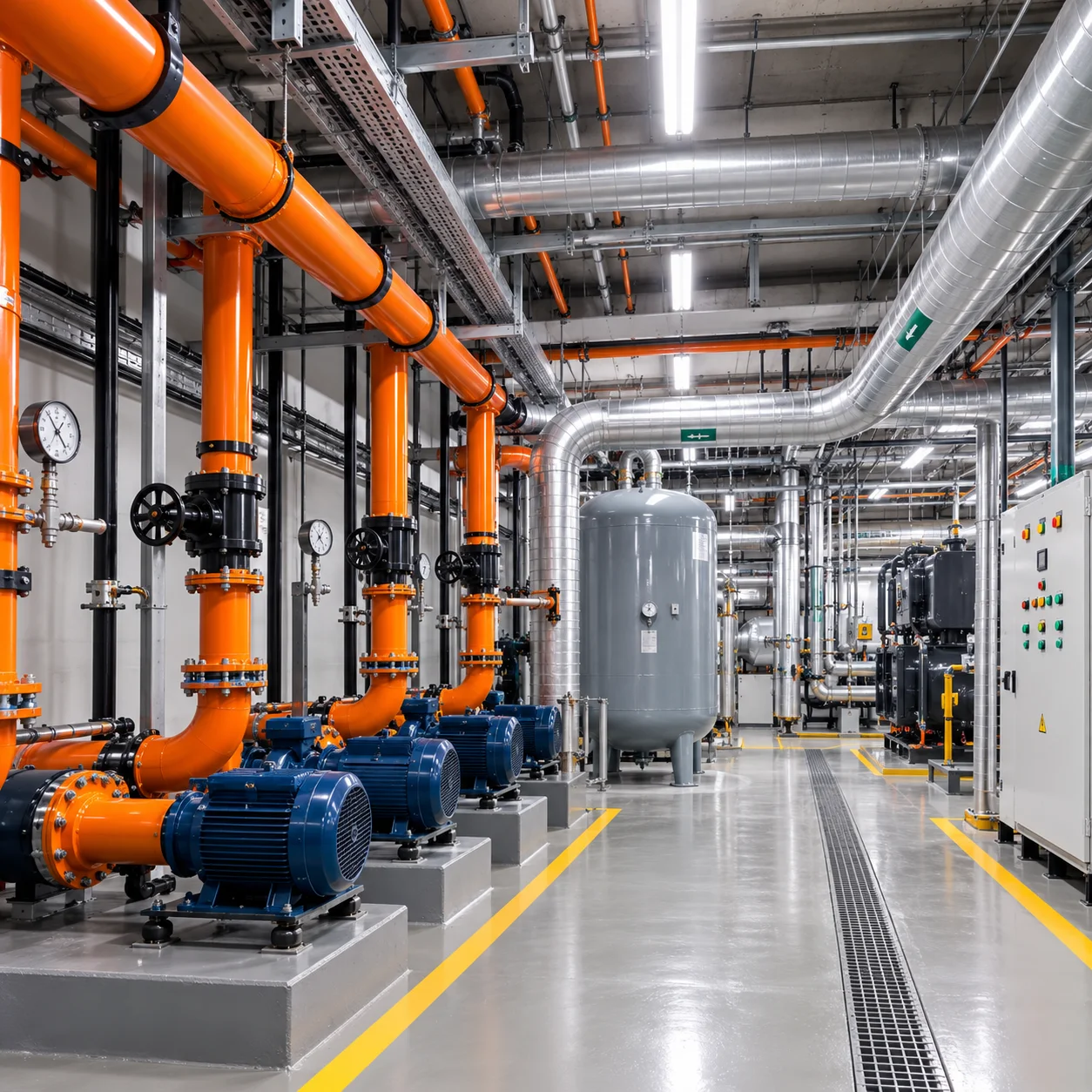
Plumbing and water networks consist of interconnected pipes, valves, pumps, tanks, fixtures, drainage systems, and control equipment used to distribute water and manage wastewater within a building or facility.
Water networks are designed to deliver water at the required flow rate and pressure to different parts of a building. Plumbing systems also collect wastewater and transport it safely to suitable treatment or disposal systems.
Importance of Plumbing Systems
Efficient plumbing systems are essential for maintaining hygiene, health, comfort, and the smooth operation of a building. Poorly designed plumbing systems can result in leaks, low water pressure, blockages, contamination, water wastage, and costly repairs.
- Provides reliable clean water supply
- Supports sanitation and hygiene
- Removes wastewater safely
- Reduces water wastage
- Helps prevent water contamination
- Maintains appropriate water pressure
- Supports fire protection and other building services
- Improves overall building functionality
Main Components of Plumbing & Water Networks
1. Water Supply Pipes
Water supply pipes transport clean water from the main supply, storage tanks, or water treatment systems to different fixtures and areas of a building. Proper pipe sizing is important to maintain adequate flow and pressure.
2. Water Storage Tanks
Water storage tanks provide a reserve supply of water and help maintain consistent availability during periods of high demand or interruptions in the main water supply.
3. Pumps and Booster Systems
Pumps are used when water needs to be transported over long distances or to higher floors. Booster pump systems can help maintain the required water pressure throughout a building.
4. Valves
Valves control, isolate, and regulate water flow within the plumbing network. Proper placement of isolation valves makes maintenance and repair easier without interrupting the entire water supply.
5. Plumbing Fixtures
Plumbing fixtures include wash basins, toilets, showers, sinks, taps, urinals, and other points of water usage. Selecting efficient fixtures can help reduce water consumption.
6. Drainage Systems
Drainage systems collect wastewater from plumbing fixtures and transport it safely away from the building. Proper gradients, ventilation, pipe sizing, and access points are important for effective drainage.
7. Sewer Networks
Sewer networks transport wastewater from buildings to municipal sewer systems or on-site treatment facilities. These networks must be designed to prevent leakage, blockages, and environmental contamination.
Types of Water Networks
Cold Water Supply Network
Cold water networks distribute treated or potable water to kitchens, bathrooms, drinking water points, and other fixtures. The system is designed to provide adequate pressure and flow to all required locations.
Hot Water Supply Network
Hot water systems supply heated water for applications such as bathing, cleaning, kitchens, healthcare facilities, and industrial processes. These systems may include water heaters, storage tanks, pumps, and circulation pipework.
Recycled Water Networks
Some modern buildings use treated recycled water for non-potable applications such as irrigation, toilet flushing, and cooling systems. Separate distribution networks help prevent cross contamination with potable water supplies.
Plumbing System Design
Effective plumbing design begins with understanding the building's water demand, occupancy, usage patterns, available water pressure, drainage requirements, and future expansion needs.
Engineers determine appropriate pipe sizes, flow rates, pressure requirements, pump capacities, storage requirements, drainage gradients, and equipment locations to develop an efficient plumbing network.
- Water demand calculations
- Pipe sizing and material selection
- Water pressure calculations
- Pump selection
- Storage capacity planning
- Hot water system design
- Drainage and sewer design
- Access for inspection and maintenance
Water Conservation in Plumbing Systems
Water conservation is an important consideration in modern plumbing engineering. Efficient systems can significantly reduce water consumption and operating costs while supporting sustainable building practices.
Water-saving fixtures, rainwater harvesting, leak detection, recycled water systems, efficient irrigation, and smart water monitoring can help reduce unnecessary water consumption.
- Low-flow taps and shower fixtures
- Dual-flush toilets
- Rainwater harvesting systems
- Greywater recycling
- Leak detection systems
- Water consumption monitoring
- Efficient irrigation systems
Importance of Drainage and Wastewater Management
Effective wastewater management is just as important as providing clean water. Drainage systems must safely remove wastewater, prevent foul odors, and reduce the risk of blockages and contamination.
Properly designed drainage networks include suitable pipe gradients, ventilation, inspection chambers, traps, cleanouts, and appropriate connections to sewer or treatment systems.
Plumbing Maintenance
Regular inspection and maintenance help keep plumbing and water networks reliable and efficient. Preventive maintenance can identify leaks, corrosion, blockages, pressure issues, and equipment problems before they cause major damage.
Preventive Maintenance
Preventive maintenance includes checking pipes, valves, pumps, tanks, fixtures, drainage systems, and water treatment equipment at scheduled intervals.
Leak Detection
Early detection of leaks can prevent water wastage and structural damage. Regular inspections and water monitoring systems can help identify unusual consumption and potential leakage.
Drainage Maintenance
Drainage systems should be regularly inspected and cleaned to prevent blockages, unpleasant odors, overflow, and wastewater backup.
Safety and Hygiene Considerations
Plumbing systems must be designed and maintained to protect water quality and public health. Potable water networks should be protected from contamination and should be separated appropriately from wastewater and other non-potable systems.
- Prevent cross-connection and contamination
- Maintain clean water storage facilities
- Inspect water tanks regularly
- Maintain proper drainage
- Use suitable plumbing materials
- Provide accessible isolation valves
- Follow applicable plumbing and safety standards
Smart Plumbing and Water Management
Modern buildings are increasingly adopting smart water management technologies. Sensors and monitoring systems can measure water flow, pressure, tank levels, and consumption in real time.
Smart monitoring can help identify leaks, optimize water consumption, monitor equipment performance, and improve overall water management.
Benefits of Professional Plumbing Engineering
- Reliable water supply
- Improved water pressure
- Reduced water wastage
- Improved hygiene and sanitation
- Reduced risk of leaks and blockages
- Lower maintenance costs
- Improved system lifespan
- Better wastewater management
- Improved building efficiency
Future of Plumbing & Water Networks
The future of plumbing engineering is increasingly focused on water conservation, smart monitoring, recycling, sustainability, and efficient resource management.
Technologies such as smart meters, automated leak detection, rainwater harvesting, greywater recycling, and intelligent water management systems are helping buildings reduce their dependence on fresh water and improve overall efficiency.
Conclusion
Plumbing and water networks are fundamental to the safe, comfortable, and efficient operation of modern buildings. From clean water distribution and hot water systems to drainage and wastewater management, every component must be carefully designed and maintained.
Professional plumbing engineering helps ensure reliable water supply, efficient resource usage, effective wastewater disposal, and long-term system performance.
By combining good engineering practices, regular maintenance, water-saving technologies, and smart monitoring, buildings can achieve better water efficiency while maintaining high standards of hygiene, safety, and reliability.