



Facility Management: Creating Efficient, Safe and Productive Workspaces
Facility Management is an essential part of maintaining buildings, infrastructure, equipment and workplace environments. It combines people, processes and technology to ensure that facilities operate efficiently, safely and comfortably.
What is Facility Management?
Facility Management is the professional management of buildings, assets, infrastructure and support services. It focuses on maintaining the functionality and performance of a facility while providing a safe, comfortable and productive environment for occupants.
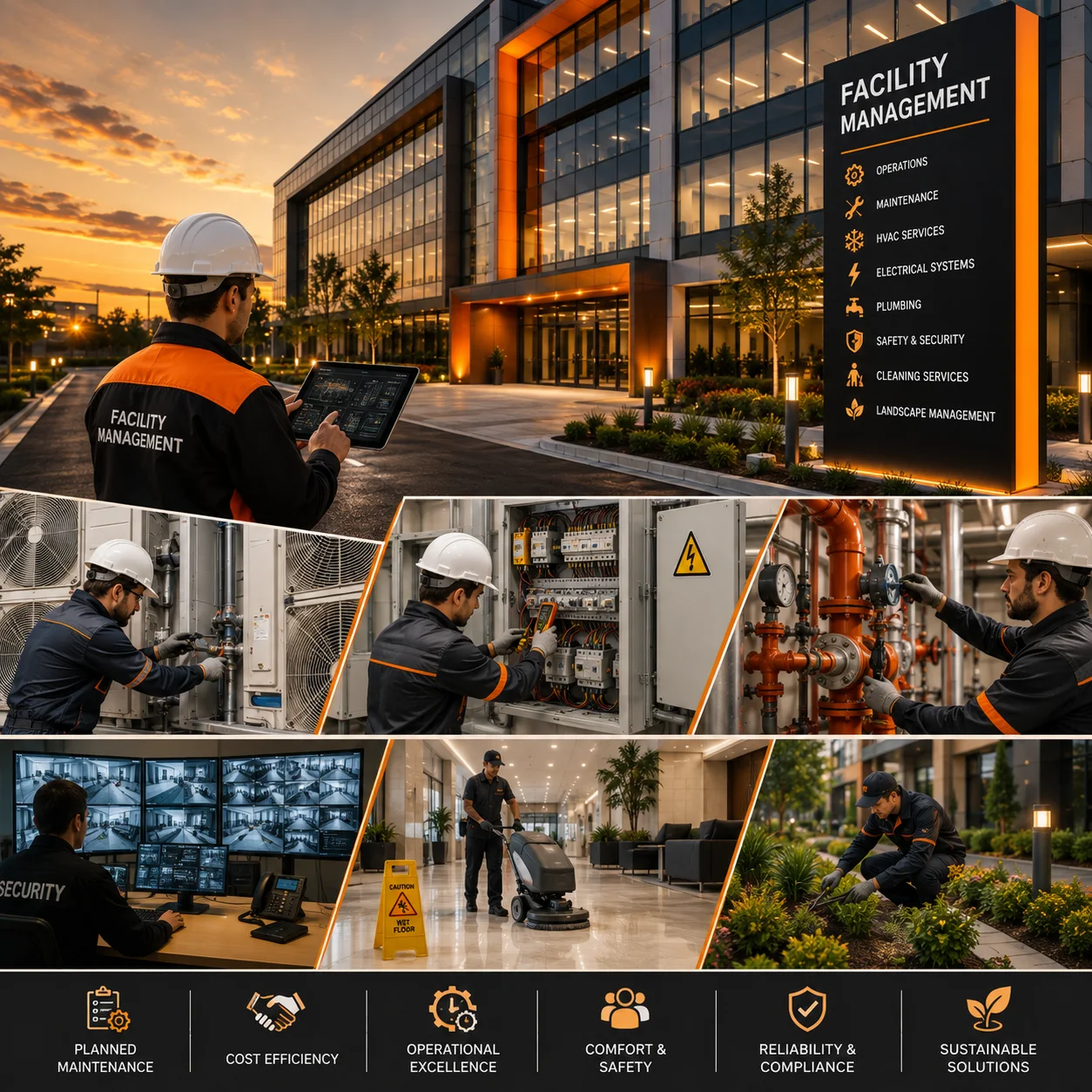
Modern facility management covers a wide range of services, including technical maintenance, housekeeping, security, energy management, space management, safety and compliance.
Why is Facility Management Important?
Well-managed facilities help organizations reduce operational problems, improve workplace productivity and extend the life of building assets. Effective facility management also helps businesses maintain safety standards and control operating costs.
- Improves building and equipment performance
- Enhances workplace safety and comfort
- Reduces maintenance and operational costs
- Extends the lifespan of infrastructure and assets
- Improves energy and resource efficiency
- Supports regulatory and safety compliance
- Creates a better experience for occupants and visitors
Key Areas of Facility Management
1. Technical Maintenance
Technical maintenance involves the inspection, operation and maintenance of building systems and equipment. This includes HVAC systems, electrical systems, plumbing, fire protection systems, elevators, generators and other critical infrastructure.
2. HVAC Management
Heating, ventilation and air conditioning systems play an important role in maintaining indoor comfort and air quality. Regular inspection, preventive maintenance and system optimization help improve performance and reduce energy consumption.
3. Electrical Maintenance
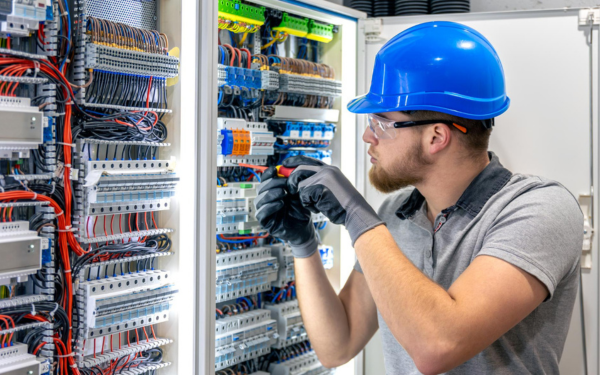
Electrical facility management includes maintaining power distribution systems, lighting, generators, UPS systems, transformers and other electrical equipment. Regular inspections help prevent failures and improve electrical safety.
4. Plumbing and Water Management
Plumbing services ensure reliable water supply, drainage and sanitation throughout a facility. Facility managers monitor water systems, detect leaks and coordinate preventive maintenance to avoid disruptions.
5. Fire and Life Safety
Fire safety is a critical component of facility management. Fire detection, alarms, sprinklers, hydrants, extinguishers, emergency lighting and evacuation systems must be regularly inspected, tested and maintained.
6. Housekeeping and Cleaning
Professional housekeeping maintains cleanliness, hygiene and workplace standards. Cleaning schedules, waste management, sanitation and hygiene procedures contribute to a healthy and comfortable environment.
7. Security Management
Security management protects people, property and information within a facility. It may include access control, CCTV monitoring, visitor management, security personnel and emergency response procedures.
8. Energy Management
Energy management focuses on reducing unnecessary energy consumption while maintaining building performance and occupant comfort. Monitoring energy usage, optimizing HVAC systems and using efficient equipment can significantly reduce operational costs.
Preventive and Predictive Maintenance
Preventive maintenance involves scheduled inspections and servicing of equipment before failures occur. This approach helps reduce unexpected breakdowns and extends equipment life.
Predictive maintenance uses equipment data, sensors and monitoring technologies to identify potential failures before they happen. It allows facility teams to plan maintenance activities based on actual equipment conditions.
Role of Technology in Facility Management
Technology has transformed the way facilities are operated and maintained. Modern facility management systems can collect operational data, track maintenance activities and provide real-time information about building performance.
- Computerized Maintenance Management Systems (CMMS)
- Building Management Systems (BMS)
- Internet of Things (IoT) sensors
- Energy monitoring systems
- Computer-Aided Facility Management (CAFM)
- Digital asset management
- Automated maintenance alerts
Building Management Systems
A Building Management System helps facility teams monitor and control different building services from a centralized platform. HVAC, lighting, energy consumption, alarms and other systems can be monitored to improve efficiency and operational control.
Safety and Compliance
Facility managers are responsible for maintaining safe working environments and ensuring that building systems are operated according to applicable regulations, standards and organizational requirements.
Regular inspections, documentation, equipment testing, emergency drills and maintenance records are important parts of an effective facility management program.
Facility Management and Sustainability
Sustainable facility management focuses on reducing environmental impact while improving operational efficiency. Energy conservation, water management, waste reduction and responsible use of resources are important sustainability practices.
- Energy-efficient equipment
- Water conservation systems
- Efficient lighting solutions
- Waste segregation and recycling
- Indoor air quality management
- Use of sustainable materials
- Monitoring and reducing carbon emissions
Benefits of Professional Facility Management
A professional facility management strategy provides organizations with better control over their buildings, assets and operational processes.
- Improved operational efficiency
- Reduced maintenance costs
- Better asset performance
- Improved employee and occupant comfort
- Enhanced workplace safety
- Reduced equipment downtime
- Improved energy efficiency
- Better regulatory compliance
- Longer asset lifespan
- Improved overall facility performance
Facility Management for Different Buildings
Facility management requirements vary depending on the type, size and purpose of a building. Professional facility management services can be applied to a wide range of environments.
- Commercial buildings
- Corporate offices
- Hospitals and healthcare facilities
- Hotels and hospitality properties
- Educational institutions
- Industrial facilities
- Shopping malls and retail spaces
- Residential communities
- Data centers
- Public and institutional buildings
The Future of Facility Management
The future of facility management is becoming increasingly technology-driven. Smart buildings, IoT devices, automation, artificial intelligence and data analytics are helping organizations improve building performance and make informed operational decisions.
Digital facility management platforms can provide better visibility into assets, maintenance schedules, energy consumption and operational performance. These technologies are expected to make facilities more efficient, sustainable and responsive.
Conclusion
Facility Management plays a vital role in maintaining safe, efficient and productive built environments. From engineering maintenance and fire safety to housekeeping, security, energy management and sustainability, effective facility management brings together multiple services under a coordinated approach.
With the adoption of modern technologies and proactive maintenance strategies, organizations can improve facility performance, reduce operational costs and provide better environments for occupants. Professional facility management is therefore an important investment for the long-term success and sustainability of any building.